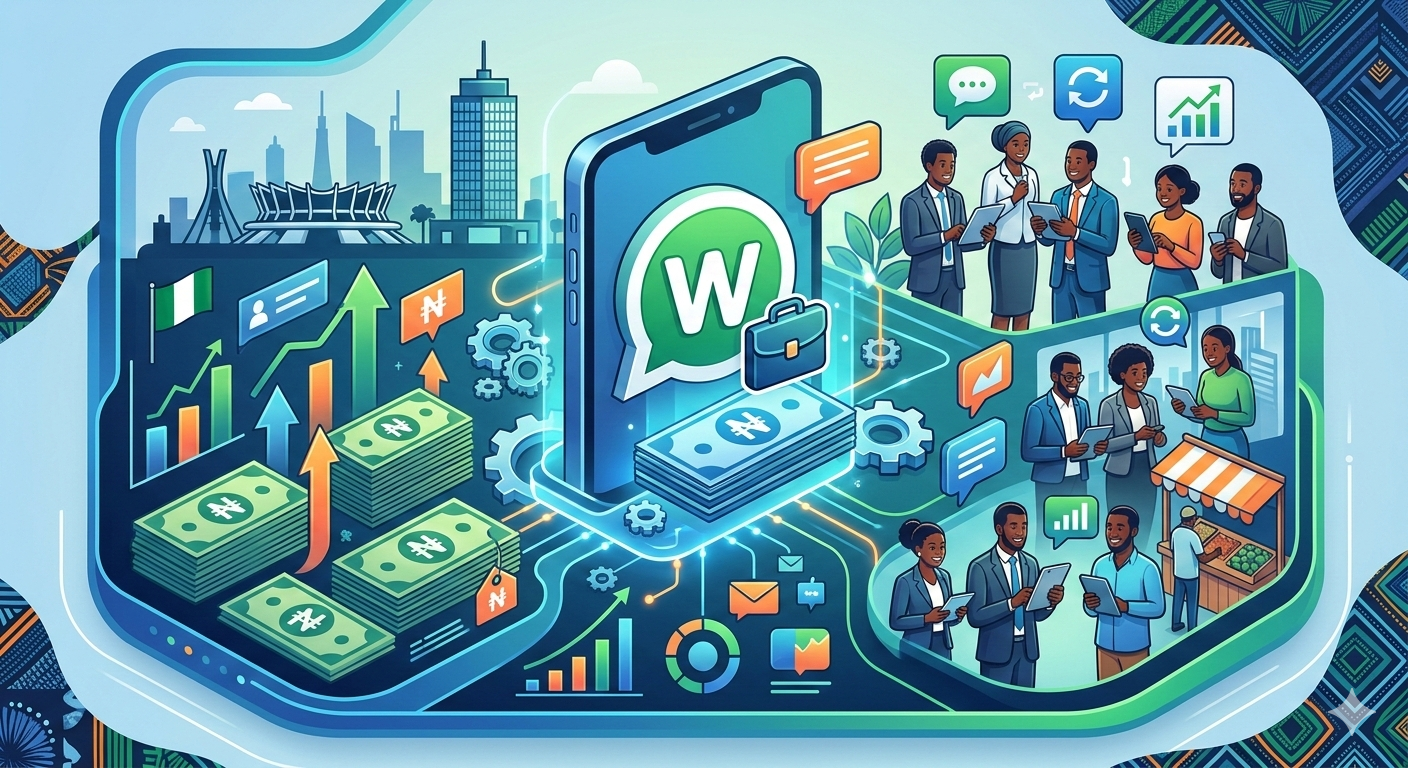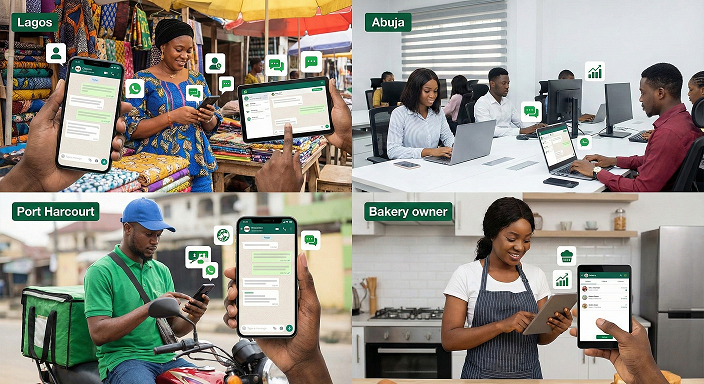
In 2025, WhatsApp remains the most widely used messaging platform in Nigeria, with over 23 million active users across mobile networks and Wi-Fi. For businesses, this presents a unique opportunity: connecting directly with customers in real-time, building trust, and driving sales through the same platform where people already spend hours every day.
Traditional marketing channels like email and phone calls are becoming less effective. Consumers now expect instant responses, personalized messages, and frictionless communication. WhatsApp CRM bridges this gap by combining customer relationship management principles with the convenience of messaging.
From small businesses in Lagos to multi-location brands in Abuja and Port Harcourt, WhatsApp CRM allows businesses to automate conversations, segment audiences, track customer interactions, and even integrate with sales and e-commerce platforms.
The rise of digital gifting, online shopping, and conversational commerce has further accelerated adoption. Nigerian consumers increasingly interact with businesses via chat apps for orders, enquiries, bookings, and support. A WhatsApp CRM system helps companies manage this volume efficiently while maintaining personal engagement.
By the end of this guide, you will understand not only what WhatsApp CRM is but also why it has become an essential tool for Nigerian businesses in 2025, how it differs from traditional CRMs, and how it can transform customer engagement into measurable growth.
What Is WhatsApp CRM?
WhatsApp CRM is a specialized customer relationship management system designed to operate within WhatsApp, enabling businesses to manage interactions, automate conversations, and track customer journeys seamlessly. Unlike traditional CRMs that rely on emails, phone calls, or web forms, WhatsApp CRM leverages the platform where most Nigerians already communicate daily.
At its core, WhatsApp CRM combines messaging automation, customer segmentation, and data tracking. Businesses can send personalised messages, respond to enquiries instantly, and create workflows that guide customers through sales, support, or post-purchase engagement. For example, a small e-commerce store can automatically confirm orders, provide delivery updates, and handle complaints without manual intervention.
Key functionalities include:
- Contact Management: Store, tag, and segment contacts based on purchase history, location, or engagement.
- Automation: Set up auto-replies, follow-ups, and drip campaigns for leads or existing customers.
- Analytics & Reporting: Track open rates, response times, conversion rates, and customer satisfaction metrics.
- Integration: Sync with payment platforms, e-commerce stores, or internal databases to provide real-time updates.
In Nigeria, WhatsApp CRM has become essential for businesses of all sizes. From SMEs handling 50–500 messages daily to larger enterprises managing thousands, it ensures consistent communication, reduces response delays, and creates a scalable system for customer engagement.
Adopting WhatsApp CRM allows businesses to meet the modern Nigerian consumer’s expectations for speed, personalization, and reliability while turning WhatsApp into a powerful sales and support channel.
Why WhatsApp CRM Is Essential For Nigerian Businesses
WhatsApp is the most widely used messaging platform in Nigeria, with over 50 million active users as of 2025. For businesses, this presents a massive opportunity: reaching customers where they are most engaged. WhatsApp CRM bridges the gap between informal messaging and structured business communication.
Key reasons it is essential:
1. Instant Customer Engagement
Nigerian consumers expect quick responses. WhatsApp CRM automates replies, reduces wait times, and ensures no inquiry goes unanswered. Businesses can provide order confirmations, delivery updates, and support messages in real time.
2. Personalization At Scale
By segmenting contacts based on purchase history, location, or preferences, businesses can send targeted messages that feel personal. This drives engagement, increases repeat sales, and strengthens customer loyalty.
3. Cost-Effective Communication
Compared to traditional call centers or bulk SMS campaigns, WhatsApp CRM reduces operational costs. One system can handle thousands of interactions daily without additional staffing.
4. Integration With Sales And E-Commerce Platforms
Businesses can link WhatsApp CRM with payment gateways, online stores, and inventory systems. Customers can make purchases, track shipments, and receive updates directly through WhatsApp.
5. Data-Driven Decision Making
Analytics features provide insights into response times, customer behavior, and sales performance. This allows Nigerian businesses to optimize workflows, improve customer satisfaction, and forecast demand more accurately.
6. Strengthening Brand Trust
Prompt and professional communication via WhatsApp enhances credibility. Nigerian consumers are more likely to trust businesses that respond quickly and transparently, especially when making online purchases or engaging with SMEs.
In summary, WhatsApp CRM transforms WhatsApp from a casual messaging tool into a full-fledged business communication platform, aligning with the fast-paced, mobile-first habits of Nigerian consumers.
WhatsApp CRM vs Traditional CRM
Understanding how WhatsApp CRM differs from traditional CRM systems is crucial for Nigerian businesses considering adoption. While both aim to manage customer relationships, the tools, accessibility, and user experience vary significantly.
1. Communication Channels
- Traditional CRM: Primarily relies on email, phone calls, and sometimes in-app messaging. These channels often have slower response times.
- WhatsApp CRM: Uses Nigeria’s most popular messaging platform, enabling real-time communication with high engagement rates. Messages are read almost instantly, with open rates often exceeding 90%.
2. Ease Of Use
- Traditional CRM: Requires training, software installation, and sometimes a steep learning curve.
- WhatsApp CRM: Intuitive interface familiar to most Nigerian business owners and staff. Minimal training is required because WhatsApp is already widely used.
3. Customer Reach
- Traditional CRM: Effective for large-scale email campaigns or organized call lists but can feel impersonal.
- WhatsApp CRM: Facilitates both one-on-one conversations and broadcast messaging, making interactions feel personal while reaching large audiences.
4. Automation Capabilities
- Traditional CRM: Supports workflows but often requires third-party integrations to automate responses or messages.
- WhatsApp CRM: Natively supports automated replies, reminders, follow-ups, and chatbots, reducing the need for manual handling.
5. Cost Efficiency
- Traditional CRM: Subscription fees can be high, especially for small Nigerian businesses. Additional costs include training, IT support, and email/SMS service charges.
- WhatsApp CRM: Typically lower cost, especially with platforms like Siteti, combining messaging, automation, and analytics in one system.
6. Analytics And Reporting
- Traditional CRM: Provides in-depth reporting but is often delayed and requires interpretation.
- WhatsApp CRM: Offers real-time insights on customer interactions, message delivery, and engagement metrics, allowing faster business decisions.
In summary, WhatsApp CRM aligns with Nigeria’s mobile-first economy, offering faster communication, higher engagement, and easier adoption for SMEs compared to traditional CRM systems.
Key Features Of WhatsApp CRM
WhatsApp CRM systems, like Siteti, combine messaging, automation, and customer relationship management into one platform. Nigerian businesses benefit from features tailored to local market needs and mobile-first usage.
1. Contact Management
- Centralised customer database storing phone numbers, names, purchase history, and preferences.
- Enables segmentation by location, purchase behaviour, or engagement level for targeted messaging.
2. Automated Messaging
- Schedule reminders, follow-ups, and promotional messages.
- Set autoresponders for frequently asked questions, ensuring customers always receive timely replies.
3. Chatbots And AI Integration
- AI-powered bots handle enquiries, bookings, and order tracking without human intervention.
- Helps Nigerian SMEs manage high volumes of messages efficiently.
4. Broadcast And Group Messaging
- Send personalised messages to multiple customers simultaneously.
- Ideal for promotions, new product announcements, or holiday greetings while maintaining a personal touch.
5. Sales Pipeline Tracking
- Monitor leads, prospects, and customers through each stage of the sales funnel.
- Track conversions, follow-ups, and responses directly within the WhatsApp environment.
6. Analytics And Insights
- Real-time metrics on message delivery, open rates, and engagement.
- Identify top-performing campaigns and customer trends to optimize marketing strategies.
7. Integration With Other Platforms
- Connects with payment gateways, e-commerce stores, and CRM software for seamless workflows.
- Allows Nigerian businesses to automate notifications, invoices, and order confirmations.
8. Multi-Agent Support
- Multiple team members can manage customer conversations simultaneously.
- Ensures fast response times and avoids missed messages during peak periods
9. Personalized Customer Engagement
- Use templates, emojis, media, and custom messages to make communication feel personal.
- Builds stronger relationships, particularly important for SMEs and local businesses in Nigeria.
In short, WhatsApp CRM equips Nigerian businesses with the tools to automate communication, manage relationships efficiently, and scale sales without losing the personal touch.
How WhatsApp CRM Works
WhatsApp CRM works by integrating the familiar WhatsApp interface with automation, analytics, and customer management tools. Here’s how Nigerian businesses can leverage it effectively:
1. Centralized Contact Database
- All customer interactions are stored in one place, including chat history, purchase behavior, and preferences.
- Segmentation allows businesses to target messages to specific groups based on location, interest, or engagement.
2. Automated Messaging & Campaigns
- Schedule messages for promotions, reminders, or follow-ups.
- Use autoresponders to answer FAQs instantly, reducing response time and increasing customer satisfaction.
3. Chatbot Handling
- AI bots can engage with customers 24/7, handling inquiries like product availability, order status, and appointment scheduling.
- Bots can escalate complex issues to human agents while maintaining a smooth customer experience.
4. Sales Funnel Integration
- Leads are captured via WhatsApp and tracked through the sales pipeline.
- Businesses can assign follow-ups, track conversions, and manage deals directly within the platform.
5. Analytics & Insights
- Real-time reporting on engagement, response times, and customer behaviour.
- Helps identify trends, optimise campaigns, and improve overall customer experience.
6. Multi-Agent Collaboration
- Teams can work simultaneously on multiple chats, ensuring no inquiry is left unanswered.
- Assign specific agents to different customer segments or regions for personalized service.
7. Integration With Payments & E-Commerce
- Link payment platforms to confirm orders and send receipts automatically.
- Integration with online stores allows businesses to send order updates, promotions, or abandoned cart reminders.
In essence, WhatsApp CRM works by automating repetitive tasks, centralizing customer data, and allowing Nigerian businesses to scale customer engagement without losing the personal touch.
WhatsApp CRM Use Cases
WhatsApp CRM is versatile, serving a wide range of industries in Nigeria. Here’s a breakdown of how businesses are using it effectively:
1. Customer Support
- Resolve queries faster via chat instead of phone calls or email.
- Provide 24/7 automated responses for FAQs, reducing workload on support teams.
- Track complaints and feedback for service improvement.
2. Sales & Lead Management
- Capture leads from social media, websites, or offline events and follow up directly on WhatsApp.
- Automate appointment scheduling, product demos, or consultation sessions.
- Track leads through the sales funnel to increase conversion rates.
3. Marketing Campaigns
- Send promotional messages, new product announcements, and seasonal campaigns.
- Segment customers by behavior, location, or purchase history for personalized offers.
- Track engagement metrics like open rates, clicks, and responses to optimize campaigns.
4. Order & Delivery Updates
- Notify customers about order confirmations, dispatch, and delivery status.
- Reduce missed deliveries and improve trust in online transactions.
5. Loyalty & Engagement Programs
- Automate birthday wishes, reward points notifications, or exclusive offers.
- Maintain regular engagement with top customers to boost repeat purchases.
6. Surveys & Feedback Collection
- Collect real-time feedback after service delivery or purchase.
- Use insights to improve products, services, and customer experience.
WhatsApp CRM enables Nigerian businesses to streamline operations, personalize communication, and strengthen relationships without relying solely on traditional email or phone channels.
WhatsApp CRM For SMEs
Small and medium-sized enterprises in Nigeria benefit greatly from WhatsApp CRM because it provides enterprise-level tools without heavy infrastructure or large budgets.
1. Affordable Customer Management
- SMEs can manage contacts, sales pipelines, and customer interactions from a single platform.
- Reduces the need for multiple apps or manual record-keeping.
2. Streamlined Communication
- Enables one-on-one chats with customers and bulk messaging for promotions.
- Keeps all conversations in one place, making follow-ups easier and more consistent.
3. Automation And Time Savings
- Auto-responses for frequently asked questions save time for staff.
- Scheduled messages, reminders, and notifications reduce missed opportunities.
4. Increased Sales Opportunities
- Track leads from inquiries on social media, the website, or offline events.
- Send targeted offers and reminders to increase conversions.
5. Better Customer Experience
- Provides personalized interaction at scale.
- Small businesses can build trust and loyalty by responding quickly and professionally.
For Nigerian SMEs, WhatsApp CRM is not just a communication tool; it is a scalable, cost-effective way to enhance customer engagement, drive sales, and compete with larger companies.
WhatsApp CRM For Real Estate
Real estate in Nigeria depends heavily on fast communication, lead nurturing, and trust. WhatsApp CRM solves the biggest frustrations agents and property managers face by centralising conversations and automating follow-ups.
1. Instant Lead Capture And Qualification
- Every inquiry from ads, listings, property portals, or social media enters the CRM automatically.
- Automated questions help qualify leads by budget, location preference, property type, and readiness to buy or rent.
- Agents no longer lose serious prospects due to scattered chats.
2. Automated Property Updates
- Agents can send new listing alerts, price changes, viewing reminders, or availability updates instantly.
- Broadcasting targeted property lists to segmented audiences improves conversion.
3. Smooth Appointment Scheduling
- Clients receive automated reminders for inspections.
- No-shows reduce because WhatsApp reminders are read almost immediately.
4. Media-Rich Communication
- Photos, videos, virtual tours, voice notes, and documents can be sent easily.
- Prospects get a better sense of the property before physical inspection.
5. Team Collaboration And Handovers
- All agent conversations are visible inside the CRM.
- Managers can assign follow-ups, track agent performance, and ensure no lead is ignored.
6. Higher Trust And Faster Closing
- Consistent updates build confidence for high-value transactions.
- Agents close more deals because they maintain professional, organized communication throughout the pipeline.
WhatsApp CRM For E-commerce Stores
E-commerce in Nigeria is shaped by instant decision-making, trust gaps, frequent inquiries, and the need for speed. WhatsApp CRM solves these pain points by turning WhatsApp into a full-funnel sales, support, and retention engine.
1. Faster Conversion Through Instant Responses
Most Nigerian shoppers abandon purchases when a store delays response. WhatsApp CRM uses automated replies, product catalogues, and smart routing to reduce response time and increase completed orders.
2. Automated Order Processing
Incoming messages can trigger workflows such as:
- Sending product details
- Collecting delivery information
- Generating order confirmations
- Forwarding the order to fulfillment or dispatch teams
This removes human delays and improves fulfilment accuracy.
3. Cart Recovery And Follow-up Messages
The CRM can send reminders to shoppers who showed interest but did not complete a purchase. These nudges significantly increase conversion rates for small and mid-sized stores.
4. Broadcasts For Sales, Restocks, And New Collections
E-commerce businesses can send targeted broadcasts based on customer history, interest categories, or past purchases. This creates higher engagement than email newsletters.
5. Payment Integration And Automated Receipts
Stores can send payment links directly inside WhatsApp. After payment, customers receive automated receipts or order numbers without waiting for manual confirmation.
6. Customer Support And Issue Resolution
A unified inbox lets support agents handle complaints, refunds, exchanges, and tracking updates in one structured system. Customer satisfaction improves because issues no longer get lost in scattered personal chats.
7. Loyalty And Retention Flows
WhatsApp CRM can automate:
- Birthday discounts
- VIP promos
- Personalized recommendations based on order history
This strengthens customer lifetime value.
WhatsApp CRM For Service-Based Businesses
Service-based businesses in Nigeria thrive on trust, speed, organised communication, and repeat engagement. WhatsApp CRM gives them a structured platform to manage bookings, inquiries, follow-ups, and client relationships without chaos.
1. Seamless Booking And Appointment Automation
Service providers like salons, spas, repair technicians, tutors, fitness coaches, consultants, and medical practices can automate:
• Booking confirmations
• Appointment reminders
• Rescheduling options
• Cancellation notices
This reduces no-shows and saves the business hours of manual coordination.
2. Centralised Inquiry Management
Clients often message multiple times across different numbers. WhatsApp CRM unifies messages in one dashboard, ensuring no enquiry is missed and multiple team members can respond professionally.
3. Workflow Automation For Faster Service Delivery
WhatsApp CRM automates repetitive actions such as:
• Sending service menus or price lists
• Requesting client details
• Sending intake or consultation forms
• Sharing location or directions
• Forwarding completed forms to the right staff
This makes the customer experience smooth and predictable.
4. Follow-Up And Relationship Nurturing
Monthly reminders, renewal notices, after-service check-ins, or maintenance reminders can be fully automated. This increases repeat bookings and improves customer satisfaction.
5. Handling Payments And Digital Receipts
Businesses can send payment links or account details directly inside WhatsApp. After payment, the CRM sends automated receipts, invoices, and next steps.
6. Multi-Staff Support
If a business has several staff or branches, a WhatsApp CRM assigns chats to the right person. This prevents confusion and ensures customers receive consistent service.
7. Customer Feedback And Review Collection
After each service session, WhatsApp CRM can automatically request feedback or direct clients to leave a review on Google or social platforms. This strengthens online reputation.
WhatsApp CRM Implementation Steps
Implementing a WhatsApp CRM is not just about installing software. It requires structured onboarding, clear workflow planning, and proper integration with your business processes. These are the essential steps Nigerian businesses should follow for a smooth and successful setup.
1. Define Your Business Goals
Start by identifying what you want the WhatsApp CRM to achieve. Examples include:
• Faster response time
• Automated lead qualification
• More sales from WhatsApp
• Better customer support
• Reduced missed messages
The goals you choose determine how your workflows will be designed.
2. Apply For WhatsApp Business API Access
Every advanced WhatsApp CRM requires API activation through Meta-approved channels. Steps include:
• Verifying your business on Facebook Business Manager
• Connecting your phone number to the API
• Submitting your business display name for approval
• Selecting the right BSP for hosting
This step ensures your business has a stable, policy-compliant WhatsApp presence.
3. Connect Your Number And Set Up Your Dashboard
Once API access is granted, link the number to the CRM.
At this stage, you will:
• Set up your profile details
• Upload your logo and business description
• Configure your message settings
• Add users and assign roles
4. Build Your Automation Workflows
This is where WhatsApp CRM becomes powerful.
Automations should be created for:
• Welcome messages
• Lead capture and qualification
• Customer onboarding
• Order updates
• Survey or feedback collection
• Appointment reminders
• Follow-up sequences
A well-built system reduces manual workload and increases conversions.
5. Upload And Segment Your Contacts
Your contact list should not be dumped into the CRM without structure.
Segment customers using:
• Tags
• Purchase history
• Source of lead
• Behaviour
• Interests
Segmentation makes campaigns and conversations more personalised and effective.
6. Integrate With Your Existing Tools
For maximum efficiency, connect your CRM with:
• Your website chat widget
• E-commerce platform
• Google Sheets or database
• Payment links
• Social media lead forms
These integrations eliminate manual work and ensure all data flows into one place.
7. Train Your Team
Your staff need to understand how to:
• Use the unified inbox
• Assign and close chats
• Add notes and labels
• Trigger automation flows
• Respond according to scripts and brand voice
Good training ensures consistency in customer communication.
8. Launch Your First Campaign
Start with simple broadcasts or automation flows such as:
• Welcome broadcast for new customers
• Product launch announcements
• Follow-up reminders
• Promo messages
Monitor delivery rates, responses, and click-throughs.
9. Monitor Performance and Optimise
Track key metrics such as:
• Response time
• Agent activity
• Campaign conversion
• Template approval status
• Customer satisfaction
Use the data to refine your automations, enhance team training, and improve customer experience.
10. Scale With New Features
Once stable, expand your CRM usage by adding:
• WhatsApp dialer
• Chatbots
• Multi-branch routing
• Sales pipelines
• More integrations
Scaling gradually ensures the system remains efficient as the business grows.
Measuring Success With WhatsApp CRM
Measuring performance is one of the most important parts of WhatsApp CRM adoption. Without clear metrics and regular reporting, businesses cannot identify bottlenecks, fix inefficiencies, or understand what is driving conversions. The right CRM should provide transparent data that guides decision-making and accelerates growth.
A. Key Metrics Every Nigerian Business Should Track
1. Average Response Time
Speed determines customer perception. Nigerian buyers expect a reply within minutes, especially in sectors like real estate, e-commerce, logistics, and food services.
Tracking response time helps businesses identify slow agents, automate first-response messages, and reduce conversation drop-off.
2. Customer Satisfaction Score (CSAT)
After each resolved conversation, CRMs like Siteti can send a simple satisfaction prompt. This reveals:
• Quality of agent communication
• Effectiveness of automation
• Customer sentiment
It becomes easier to train staff, optimise templates, and improve service delivery.
3. Lead-to-Sale Conversion Rate
The most important metric for revenue.
It measures the percentage of chats that turn into paying customers and reveals how well your funnel performs.
Low conversion rates often indicate:
• Poor follow-up
• Weak agent performance
• Wrong automation setup
• Unclear CTAs
• Slow responses
A well-configured WhatsApp CRM should steadily improve this rate.
4. Sales Uplift
This measures actual revenue increase after implementing WhatsApp CRM.
Examples of uplift include:
• Higher order frequency
• Faster deal closing
• Reduced lead leakage
• More returning customers
Sales uplift helps businesses quantify the exact revenue impact of WhatsApp CRM adoption.
5. Template Performance
WhatsApp templates have delivery, read, and engagement rates. Monitoring these helps businesses refine messaging tone, timing, and targeting.
6. Agent Productivity Metrics
Metrics like:
• Chats handled
• First-contact resolution
• Escalations
• Average handling time
These help brands understand whether teams are efficient or understaffed.
7. Quality Score & Block Rate
A low-quality score puts your number at risk of restriction.
A CRM should track:
• Block rates
• User complaints
• Delivery failures
These are so businesses can correct issues early.
B. Reporting Dashboards And Actionable Insights
A strong WhatsApp CRM should have dashboards that turn raw data into business intelligence. Ideally, a Nigerian business should see daily or weekly performance visuals.
What A Good Dashboard Should Display
• Chat volume trends
• Peak customer activity periods
• Channels generating the most leads (ads, story views, organic traffic)
• High-performing templates
• Agent performance comparisons
• Drop-off points in funnels
• Revenue generated from WhatsApp
With this data, businesses can take actions such as:
• Increasing staffing during peak hours
• Improving poorly performing templates
• Automating frequently repeated tasks
• Adjusting follow-up sequences
• Personalizing messaging for key customer segments
Siteti’s analytics engine is designed specifically to highlight Nigerian-specific operational patterns, for instance, late-evening spikes, weekend peaks, and high-story-engagement conversion periods.
Common WhatsApp CRM Mistakes to Avoid (2025 Edition)
Many Nigerian businesses adopt WhatsApp CRM but fail to maximise its potential because of avoidable mistakes. Understanding these pitfalls helps organisations save money, improve customer satisfaction, and maintain healthy WhatsApp quality ratings.
1. Treating WhatsApp CRM Like A Bulk Messaging Tool
Businesses that blast unsegmented, unsolicited broadcasts quickly face:
• Higher block rates
• Poor customer sentiment
• Low-quality score
• Possible number restriction by Meta
WhatsApp CRM is designed for targeted, permission-based conversations, not SMS-style blasting.
2. Skipping Proper Funnel Segmentation
A CRM is only as good as the structure behind it. When businesses lump all contacts together without sorting leads by:
• Intent
• Stage
• Purchase history
• Source
• Engagement level
they lose track of follow-up and drastically reduce conversions.
Platforms like Siteti provide automatic segmentation and tags to solve this.
3. Over-Automation Without Human Touch
Automation improves speed, but if every message sounds robotic, customers disengage.
Nigerian buyers still value human warmth and personalised responses, especially for high-ticket or service-based purchases.
Balance is key: Siteti’s routing features send simple queries to bots while passing serious leads to human agents.
4. Using Unapproved Or Poorly Written Templates
Businesses often create templates with:
• Salesy language
• High punctuation
• Unclear CTAs
• Too many variables
This leads to template rejection or low delivery rates. High-performing WhatsApp templates must be contextual, compliant, and value-led.
5. Ignoring WhatsApp Quality Scores
When customers frequently block or delete messages without reading, WhatsApp flags the number.
Many businesses don’t monitor this score, leading to unplanned number restrictions.
Siteti includes quality score monitoring so users can adjust before issues escalate.
6. No Agent Performance Tracking
Allowing multiple staff to respond from one CRM without:
• Audit logs
• KPIs
• Response-time tracking
leads to inconsistent service and brand voice issues. A CRM must show who replied, how fast, and how well.
7. Not Using Analytics
Most WhatsApp CRM failures come from flying blind.
Without tracking:
• Open rates
• Response time
• Conversation conversions
• Customer retention metrics
businesses cannot improve performance. Siteti provides in-depth dashboards tailored for Nigerian business realities.
8. Relying On WhatsApp Business App Features
Many SMEs keep using quick replies, labels, and single-device setups even after onboarding to a CRM.
This leads to:
• Miscommunication
• Lost messages
• Duplicate follow-up
• Unscalable workflows
Fully embracing the CRM’s tools is essential for growth.
9. Not Training Staff
A CRM is only as effective as the people using it. Without training, teams misuse automation, forget template rules, or reply with an inconsistent tone.
Siteti offers onboarding support and Nigerian-specific training materials to reduce learning curves.
10. Slow Response Times
WhatsApp users expect instant replies. Businesses that delay, even with a CRM, lose deals, especially in competitive sectors like real estate and e-commerce.
Automated first-response messages (e.g., “Hi, we received your message…”) help stabilize engagement.
Best WhatsApp CRM Platforms In 2025
The WhatsApp CRM ecosystem in Nigeria has grown rapidly due to digital commerce expansion, AI adoption, and increasing demand for real-time communication. Below are the leading platforms, what they offer, and where Siteti stands out.
1. Siteti
Siteti is designed for the realities of Nigerian commerce and integrates deeply with the WhatsApp Business API. It solves the major gaps Nigerian SMEs face: delivery issues, slow onboarding, bad automation, scattered analytics, and inconsistent follow-up.
Key Strengths
• Fast WABA onboarding
• Automated story posting (a high-engagement Nigerian channel)
• WhatsApp Dialer for call routing
• AI chat assistant trained for Nigerian buyer behavior
• Smart automation templates
• Bulk broadcast with high delivery rates
• Multi-agent inbox with audit logs
• Local customer support
• Advanced analytics dashboard
• Secure cloud-based architecture
Siteti merges features typically found separately in CRM tools, contact centres, and automation platforms.
Best For:
SMEs, real estate agents, e-commerce stores, schools, logistics businesses, clinics, marketers, and service-based brands.
2. Respond.io
A global WhatsApp API platform known for:
• Multi-channel inbox
• Automation builder
• Integration capabilities
Strong for enterprise workflows but less tailored to Nigerian-specific commerce patterns.
3. Wati
Best for customer support automation. Features include:
• Chatbots
• Team inbox
• Broadcast scheduling
Pricing may be high for many Nigerian SMEs, especially at scale.
4. Interakt
Popular in India and used by some Nigerian businesses because of its affordability. Features include:
• Abandoned cart recovery
• Template messaging
• Simple automation
Its limitation is minimal customisation and weaker analytics.
5. Sleekflow
A robust omnichannel CRM. Great for enterprises needing:
• Social commerce workflows
• Advanced routing
• Team performance tracking
Less beginner-friendly and not tailored for local Nigerian business structures.
6. Zoko
E-commerce-focused CRM with:
• One-click Shopify integration
• Cart recovery
• WhatsApp checkout features
Great for online stores but not general-service businesses.
Why Siteti Is The Best-Fit CRM For Nigerian Businesses In 2025
• Optimized for Nigerian internet realities
• Designed around Nigerian buyer psychology
• Focused on local challenges and use cases
• Supports Nigerian payment flows
• Provides features other CRMs don’t offer (story posting automation, dialer, local training)
• Faster onboarding and support
• Works seamlessly for both small and large teams
Siteti isn’t just a CRM; it’s a business-growth engine for Nigeria’s WhatsApp-driven economy.
FAQs: WhatsApp CRM For Nigerian Businesses (2025)
What is the difference between the WhatsApp Business App and WhatsApp CRM?
The WhatsApp Business App is designed for small, single-device operations. It offers basic tools like quick replies and labels. A WhatsApp CRM, on the other hand, gives you automation, multi-agent support, analytics, chat routing, broadcast campaigns, chatbot workflows, and deep customer management capabilities. It’s built for growth, scale, and structured customer engagement.
Do I need a WhatsApp API to use WhatsApp CRM?
Yes. All properly functioning WhatsApp CRMs rely on the official WhatsApp Business API (WABA). This API allows for automation, multiple logins, chatbots, webhooks, dashboards, and bulk support. Platforms like Siteti connect you to the API without needing to handle the technical setup.
Can small businesses in Nigeria use WhatsApp CRM?
Yes. Even a solo entrepreneur can benefit from automation, templates, and structured customer follow-up. Nigerian SMEs currently make up the largest segment adopting WhatsApp automation because it directly increases conversion and saves time.
How much does WhatsApp CRM cost in Nigeria?
Pricing depends on:
• Platform fees
• Meta conversation charges
• Team seat numbers
• Automations used
Most Nigerian businesses spend between ₦7,500 – ₦60,000 monthly, depending on scale and message volume.
Will a WhatsApp CRM replace my customer service team?
No. It enhances their efficiency. Instead of manually replying to hundreds of messages, your team focuses on high-value conversations while automation handles repetitive tasks.
Is WhatsApp CRM secure?
Yes. The WhatsApp API uses end-to-end encryption. Siteti also adds role-based access control, audit logs, secure cloud storage, and multi-layer verification so sensitive data stays protected.
Can WhatsApp CRM help me reduce abandoned carts?
Absolutely. With automated reminders, smart follow-ups, and personalised broadcasts, businesses using WhatsApp CRM report a 20–45% reduction in lost sales, especially in e-commerce brands.
Does WhatsApp CRM work for both Android and iPhone users?
Yes. Since the CRM is web-based, any device with a browser can access it.
Can I use WhatsApp CRM to send bulk messages?
Yes, but legally. WhatsApp CRM platforms like Siteti use template-based approved broadcasts that comply with WhatsApp policies. This guarantees high delivery rates and protects your business number from bans.
Can WhatsApp CRM integrate with my website or online store?
Yes. WhatsApp CRM platforms come with:
• Website widgets
• Shopify/WordPress/Ecwid integrations
• API/webhook connections
These help automate lead capture, order updates, support flows, and payment confirmations.
How long does it take to set up WhatsApp CRM?
With platforms like Siteti, WABA onboarding takes 5–24 hours, depending on Meta approval and number verification. Basic automation can be set up within a day.
Will WhatsApp templates annoy customers?
No, as long as they are:
• Relevant
• Personalized
• Not spammy
• Properly timed
Businesses using structured templates typically see higher open rates and stronger engagement compared to email or SMS.
What happens if WhatsApp blocks my number?
If you follow policies (no spam, no illegal bulk messaging), number blocks are rare.
Platforms like Siteti monitor quality ratings and template performance and provide early warnings before any risk escalates.
Can WhatsApp CRM work for offline businesses?
Yes. From tailoring services to managing bookings, nurturing leads, or sending reminders, offline businesses, from schools to clinics to logistics, use WhatsApp CRM daily.
Is Siteti the same as other WhatsApp CRM tools?
Siteti differentiates itself through:
• Faster onboarding for Nigerian businesses
• Built-in workflows tailored for local buying behavior
• Smart automation templates
• Better delivery rates
• Nigerian-specific business intelligence
• Local support teams
• Additional features like auto-story posting and dialer capabilities
It’s built specifically for the realities of Nigerian SMBs.
Conclusion
WhatsApp has become the most powerful communication and commerce channel for Nigerian businesses. With over 90 per cent of internet users active on the platform, customers now expect fast responses, personalised interactions, and frictionless buying experiences directly inside WhatsApp. This shift has transformed the channel from a messaging app into a full customer experience ecosystem.
A WhatsApp CRM is no longer optional. It is the backbone of modern business operations in Nigeria. It helps companies centralise conversations, automate workflows, track performance, and scale service delivery with intelligence and efficiency. Whether a business is in e-commerce, real estate, services, healthcare, education, or retail, WhatsApp CRM ensures that every lead is captured, every customer is attended to, and every opportunity is maximised.
As customer expectations rise and competition intensifies, the businesses that win in 2025 and beyond will be the ones that adopt structured systems, leverage automation, and use data to guide decisions. Platforms like Siteti are built for this exact future. They help Nigerian businesses operate at global standards, reduce communication delays, and deliver customer service that feels fast, human, and dependable.
The digital economy is moving in one direction. Customers want convenience. Teams need efficiency. Businesses need visibility.
A well-implemented WhatsApp CRM brings all three together.
This guide has shown what WhatsApp CRM is, why it matters, the features to prioritise, the mistakes to avoid, and how Nigerian businesses can use it to unlock measurable growth.
The next step is simple: Set up a WhatsApp CRM system, optimise your workflows, and position your business to meet customers where they already are.